Summer multiplies subcontractors and shared worksites. Coordinating concurrent employers is what stops one company’s hazard from becoming another company’s accident.
Summer brings substitutions, seasonal hires and agency staff. The law grants them the same level of protection as permanent employees. Here is what it requires and where prevention tends to break.
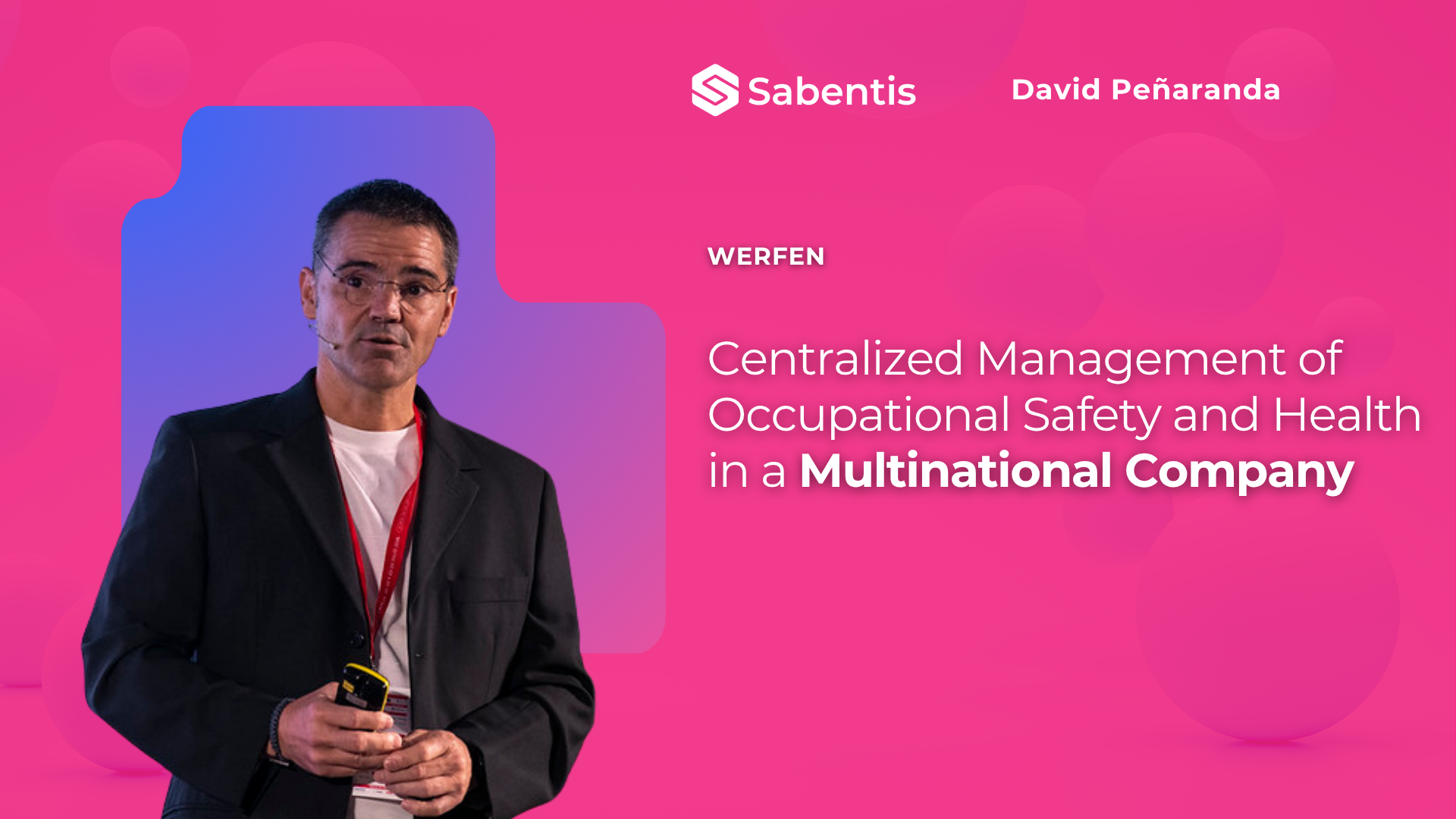
David Peñaranda, from Werfen, explains how Sabentis helps a diagnostics multinational integrate systems and centralise prevention management across countries and sites.
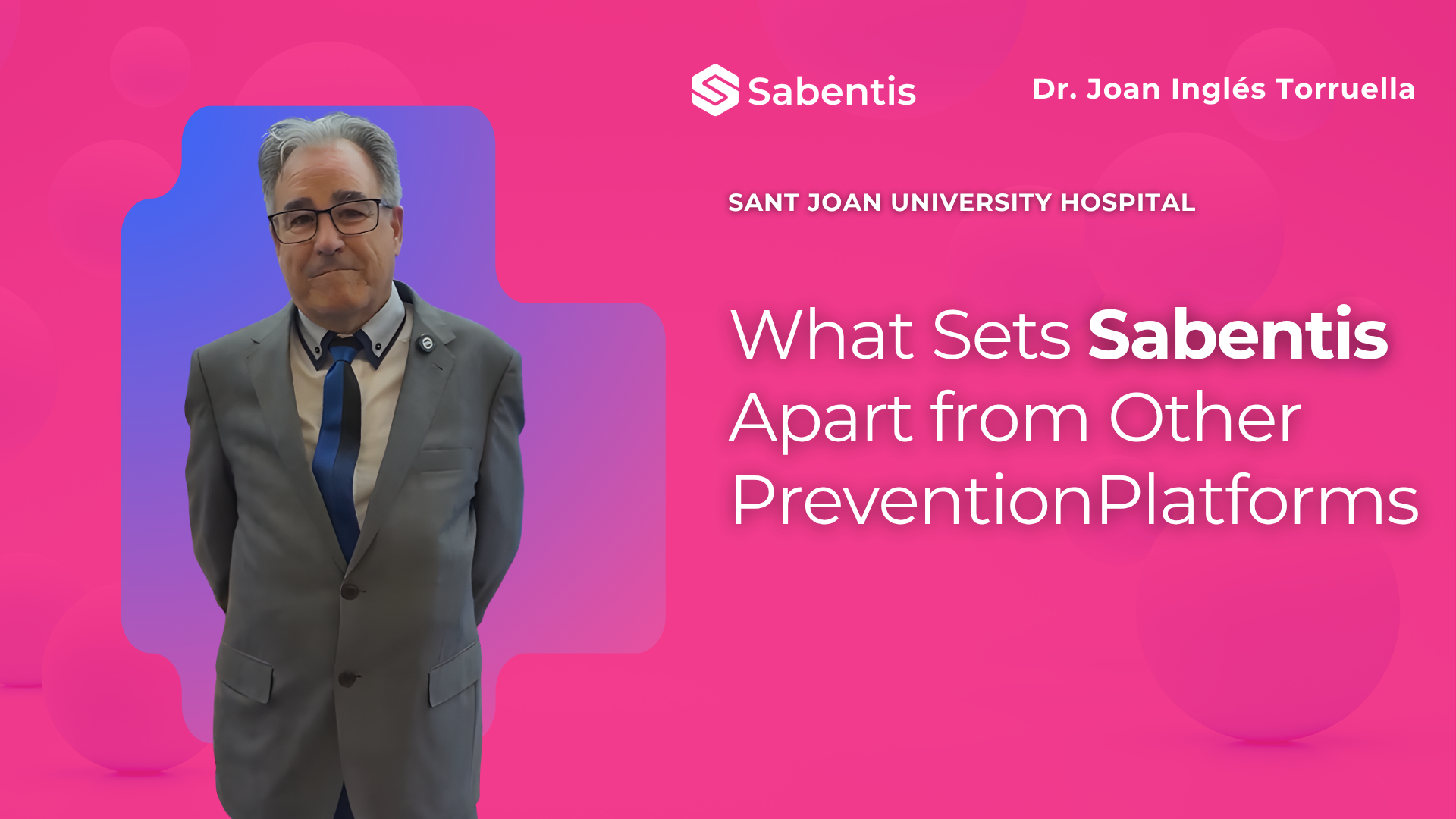
The prevention service of Hospital Universitari Sant Joan explains, in the words of Dr. Joan Inglés, what sets Sabentis apart from other OHS platforms: turning data into decisions and configuring protocols without depending on the vendor.
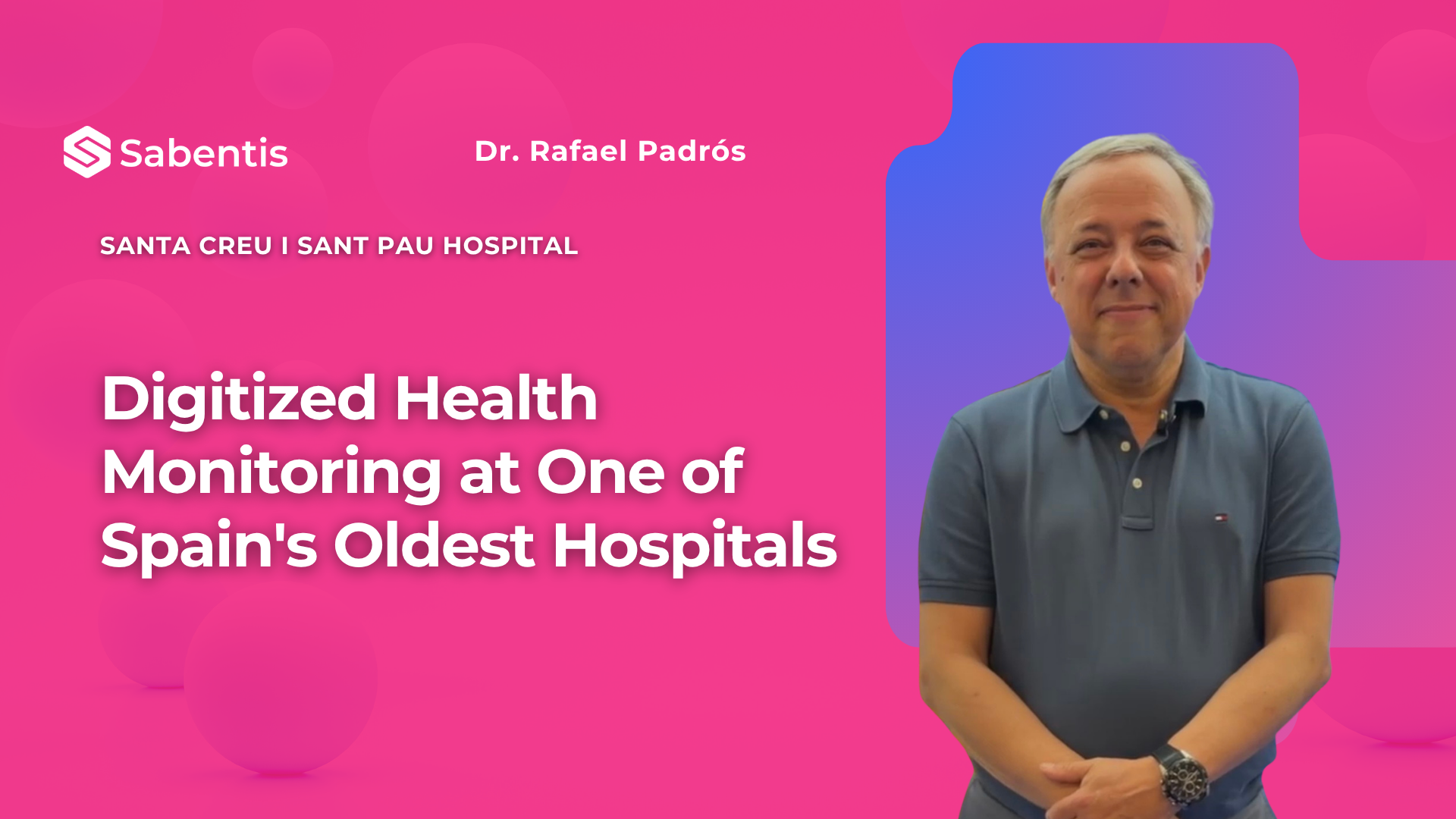
Managing health surveillance in a hospital is nothing like doing it in a conventional company. Dr. Padrós explains how Hospital de Sant Pau runs check-ups, appointments and follow-up at scale with Sabentis.
The companies that stand out in occupational health and safety are not the ones with the biggest budgets. They share concrete management patterns, and most of them can be replicated.
Where is that document? Every OHS professional knows the question too well. It signals a management model at its limit. See what changes when OHS management is properly digitalised.
Sabentis Academy is the official training campus in occupational risk prevention: learn to master Sabentis and get certified with university backing, free of charge.
What Chile’s Law 16.744 requires from companies in occupational health and safety, how mutualidades can help and why reactive prevention is still the dominant pattern.
Discover all that Sabentis can do for your organization.
Try Sabentis








 5
5