💥 Workplace Overexertion Accidents: The Hidden Cause Behind Thousands of Sick Leaves in Spain


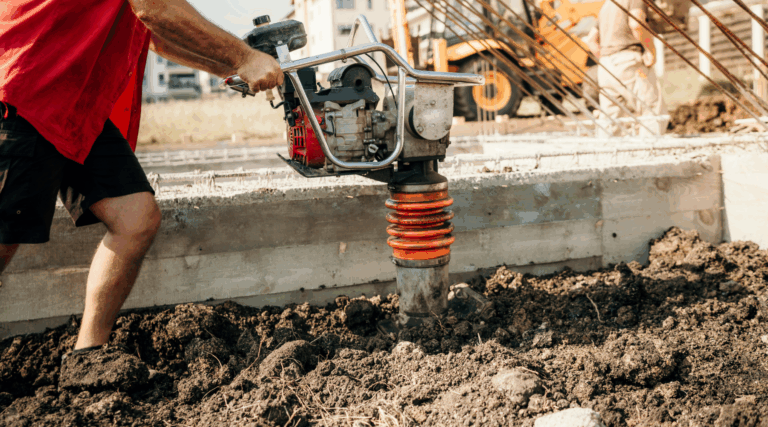
When we talk about occupational health, there’s a silent threat causing thousands of sick leaves every year: overexertion injuries at work. While we often associate workplace accidents with falls or machinery mishaps, the statistics tell a different story: overexertion is the leading cause of workplace accidents in Spain.
📈 In 2022, more than 165,000 work accidents due to overexertion were reported, accounting for a concerning percentage of all labor-related incidents. These figures, published by Spain’s Ministry of Labor, reveal a growing trend that directly affects productivity, absenteeism, and employee well-being.
🧠 What Is Overexertion in Workplace Risk Management?
Overexertion refers to physical effort that exceeds the body’s capacity. It includes:
- 📦 Sudden or heavy lifting without proper technique
- 🧍♂️ Maintaining poor postures for extended periods
- 🔁 Repetitive movements, common in production lines or cleaning services
The musculoskeletal system suffers most, leading to injuries like back pain, tendonitis, herniated discs, and chronic fatigue, which often require long recovery times and can become recurrent. These are typical musculoskeletal disorders.
🏗️ Most Affected Industries
No sector is immune, but overexertion accidents are most frequent in:
- Transportation & logistics 🚛
- Manufacturing 🏭
- Construction 🧱
- Hospitality and services 🍽️
- Healthcare and caregiving 🏥
These sectors often involve manual handling, repetitive tasks, and ergonomically poor workspaces. Improving safety in material handling directly reduces these ergonomic risks.
⚠️ Invisible Consequences, Real Impacts
Overexertion doesn’t just cause physical pain — it comes with widespread repercussions:
- 📉 Extended sick leave
- 🔁 38% recurrence rate within a year
- ⏳ Reduced productivity
- 💰 Increased costs from insurance, replacements, and healthcare
- 😔 Employee demotivation and burnout
Worryingly, many companies don’t conduct proper ergonomic assessments, allowing these risks to persist undetected.
🧪 How to Prevent Overexertion Accidents
The key to prevention is detection and analysis. Organizations must adopt tools that help identify ergonomic risks before they turn into injuries.
Here are some best practices:
- Routine ergonomic assessments 🔍
- Training on posture and load handling 🎓
- Task rotation and active breaks ⏱️
- Ergonomically designed workstations 🛠️
- Tech-based load assistance 🤖
🤖 Sabentis’ Smart Ergonomics Solution
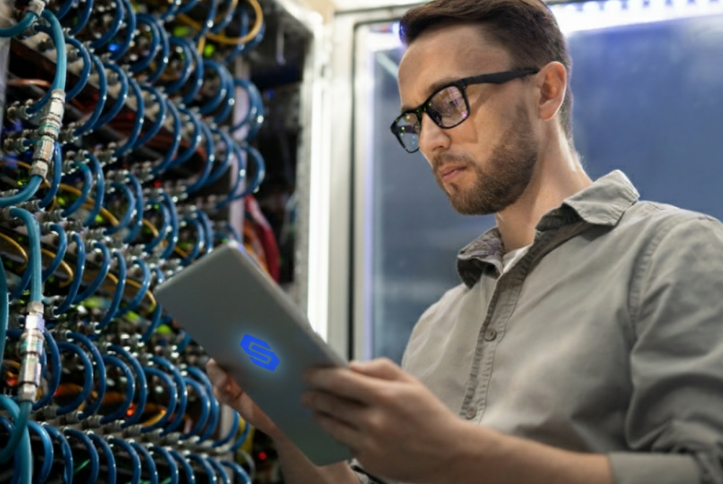
Sabentis offers a cutting-edge system through its Ergonomics Module and AI-powered assistant, Ergotutor Digital, designed to transform how companies address overexertion. This is powered by ErgoSensorIA, which revolutionises ergonomic analysis.
What makes Sabentis unique?
- 📹 Automatic video analysis of work activities using AI
- 🧠 Posture and repetitive movement detection
- 📊 Real-time ergonomic indicators
- 📑 Automatic action plans with customized recommendations
- 🧍♂️ Workload risk visualization
- 📉 Proven 45% reduction in musculoskeletal injuries
This predictive and automated approach helps companies act proactively, reduce incidents, and promote sustainable workplace health.
🌐 Building a Proactive Safety Culture
Effective occupational risk management means more than reacting to injuries — it’s about transforming prevention into a strategic priority.
With Sabentis, you can:
- Monitor real-time conditions
- Train teams and supervisors in proactive ergonomics
- Audit and optimize workflows
- Make immediate data-driven decisions
Companies that switch to digital ergonomics management not only reduce injuries but also improve employee engagement and operational efficiency.
✋ What’s Invisible Still Hurts
Overexertion doesn’t always leave visible wounds, but its impact is deep and long-lasting. Ignoring it is no longer an option.
Now is the time to modernize how you manage workplace risks — with the most advanced platform available.
👉 Request a free demo and transform your occupational health and safety management today:
🔗 Request demo – Sabentis