Occupational risk prevention for domestic workers in Spain: mandatory assessment, Prevencion10 and the new INSST Technical Guide

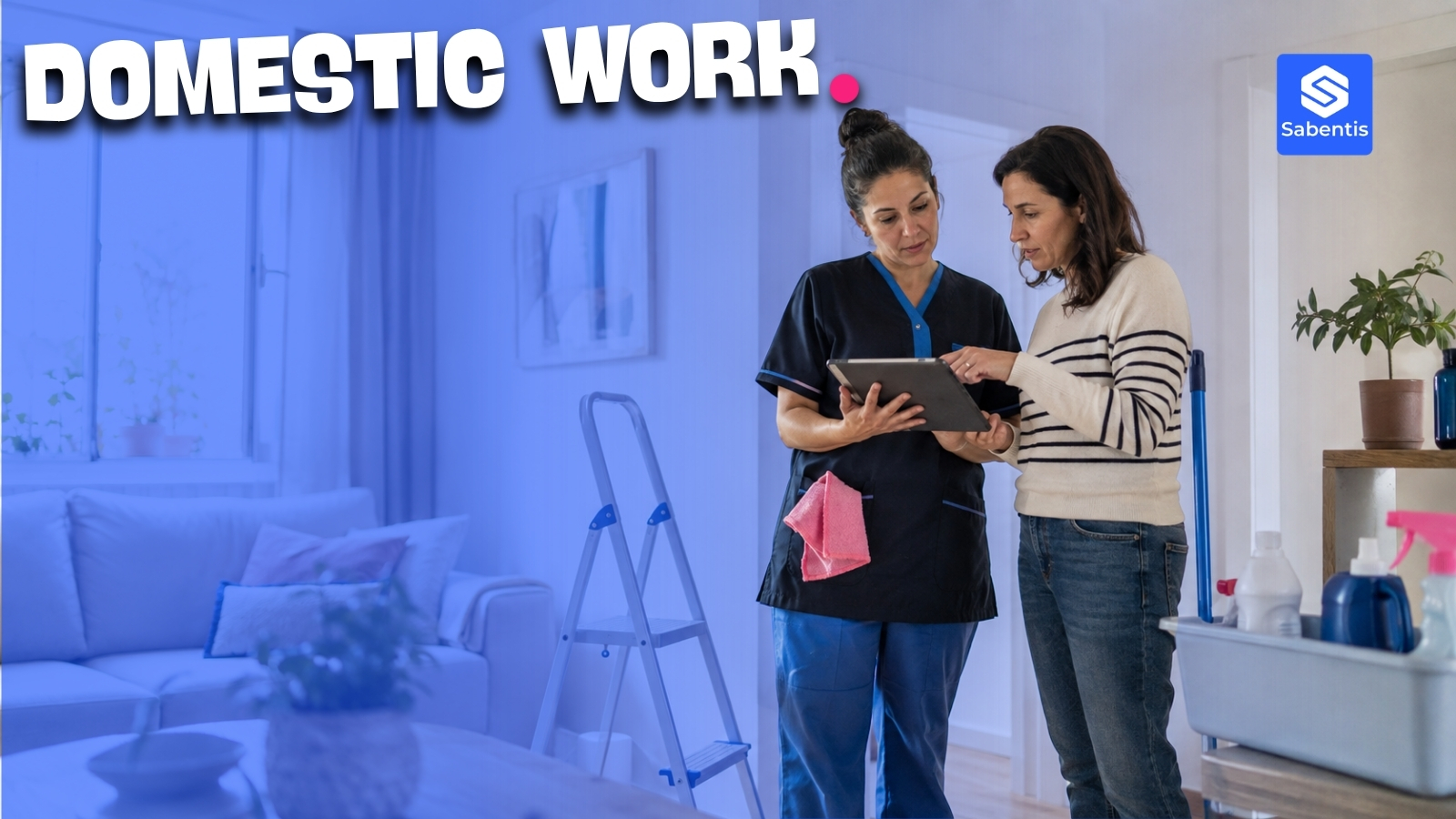
Royal Decree-Law 16/2022 ended a historical anomaly: it inserted the eighteenth additional provision into Law 31/1995 and recognised adapted OHS protection for domestic workers, until then excluded, and Royal Decree 893/2024 implemented that special regime. Although the Royal Decree entered into force on 12 September 2024, its general obligations did not become enforceable until six months after the official Prevencion10 tool was made available, that is, from 15 November 2025. In May 2026 the INSST published the Technical Guide and the protocol against violence and harassment in domestic work, which complete the framework.
This article summarises the obligations, how to meet them and what changes for new hires.
What Royal Decree 893/2024 requires
- Assess the risks of the job in the household and plan preventive measures.
- Inform and train the worker on the risks and measures, with a training certificate.
- Guarantee safe conditions: equipment, chemical products, facilities and work organisation.
- Protect against violence and harassment, providing the worker with the official protocol as part of the required OHS information.
- Review the assessment when working conditions or relevant worker characteristics change, and always provide the applicable information and training.
- Health surveillance: as of 22 August 2026, application of the medical examinations under Article 8(2) remains conditional on the implementing provisions for their delivery through the National Health System, pursuant to final provision 5(4).
The preventive duty rests with the household employer, not the worker; Social Security registration is a separate obligation and is not a condition for the duty of protection.
Prevencion10: the INSST’s free tool
Prevencion10 (prevencion10.es) is the public platform of the INSST, Spain’s national OHS institute, for household employers to complete the risk assessment in a guided and free way. It generates the risk assessment, the applicable preventive measures and information and follow-up materials for the worker. The general obligations have been enforceable since 15 November 2025. A new hire does not in itself require the entire assessment to be repeated: it must be reviewed if working conditions or relevant worker characteristics change, and the applicable information and training must always be provided.
The most frequent risks in domestic work
- Musculoskeletal disorders from awkward postures, loads and repetitive movements (cleaning, caring for dependent people).
- Cleaning chemicals: dangerous mixtures, lack of ventilation and gloves.
- Falls on the same level and from ladders or stools.
- Cuts, burns and electrical risk in the kitchen and with appliances.
- Psychosocial risks: isolation, long hours, time pressure, violence and harassment.
The INSST Technical Guide and the protocol against violence and harassment (May 2026)
The Technical Guide, published on 14 May 2026, clarifies and develops Royal Decree 893/2024 and provides technical criteria and practical guidance for its application in a setting as particular as the home. The official protocol against violence and harassment in domestic work supports action to prevent and address these situations, in line with ILO Convention 190, and has an initial two-year term.
Penalties and liability
Failure to comply may give rise to administrative liability under the applicable sanctions legislation. Inspectorate action inside a private home must respect the inviolability of the home and the statutory access requirements. Mutual insurers, unions (UGT and CCOO) and payroll agencies have published practical guides; the official reference remains the INSST.
What companies and organisations that manage domestic staff should do
Companies and organisations employing home-care staff, platforms and third-sector organisations are governed by Law 31/1995 and the Prevention Services Regulation, not by the special domestic-employment regime: assessment by job, training, health surveillance and coordination in the homes. The Supreme Court judgment of 29 September 2025 annulled the first final provision of Royal Decree 893/2024, which had inserted specific home-care rules, and the replacement draft submitted to consultation in March 2026 is not yet in force. For these organisations, a management system such as Sabentis makes it possible to assess hundreds of jobs with templates by type of home and task, plan training and health surveillance through its safety, health and well-being modules and document everything for the Inspectorate.
Frequently asked questions
What if I did not complete the assessment before 14 November 2025?
The general obligations have been enforceable since 15 November 2025: complete it as soon as possible with Prevencion10 and keep the document.
Does the assessment cost anything?
Not if it is done with Prevencion10. An external prevention service can also be hired.
Does it have to be repeated for each new hire?
Not necessarily. It must be reviewed if working conditions or relevant worker characteristics change, and the applicable information and training must always be provided to the new worker.
Sources
- Royal Decree 893/2024 regulating safety and health protection in domestic work (BOE) and Royal Decree-Law 16/2022.
- INSST: Technical Guide on OHS in domestic work and protocol against violence and harassment (May 2026, Spanish).
- INSST: Prevencion10, household risk assessment tool.