Safety in the Use of Heavy Machinery in the Workplace


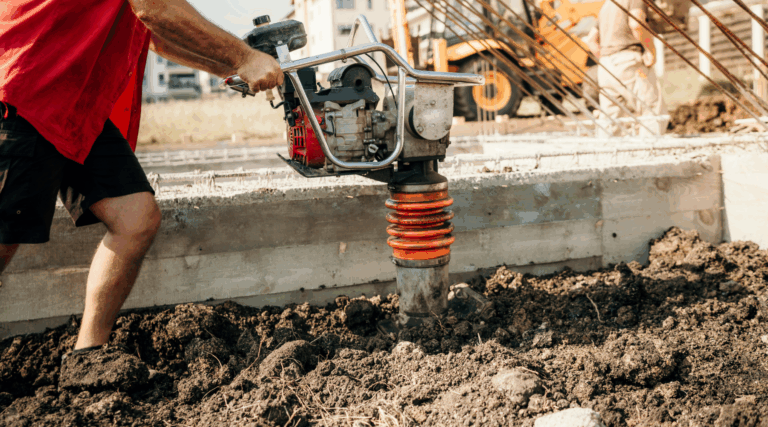
Heavy machinery safety is critical in high-risk work environments. Using such equipment involves significant risks that must be effectively managed to protect employees and ensure operational efficiency.
The importance of heavy machinery safety
Proper safety management in the use of this equipment significantly reduces the risk of accidents and serious injuries in the workplace. Ensuring that heavy machinery use complies with safety regulations avoids penalties and enhances the company’s reputation. Operating heavy machinery safely and efficiently increases productivity and reduces downtime due to accidents or equipment failures. Equipment requirements are detailed by INSST. It is a key element of broader accident prevention strategies.
Strategies to operate machinery safely
Provide continuous and specific training on the safe use of this equipment. Ensure all operators are certified and adequately trained. Implement a regular maintenance programme to ensure all heavy machinery is in optimal working condition. Conduct periodic inspections and necessary repairs. Ensure all operators and workers use appropriate personal protective equipment (PPE), such as helmets, gloves, and safety footwear. Solid workplace safety training is essential here.
Monitoring and Evaluation
Continuous monitoring and evaluation are essential for maintaining safety in the use of this equipment. Use real-time monitoring technologies to track the condition and performance of the machinery. Conduct periodic evaluations to identify potential improvements in safety and maintenance procedures.
Sabentis Tools
At Sabentis, we offer advanced solutions for managing safety in the use of this equipment. Our tools allow for real-time monitoring, training operators, and ensuring regulatory compliance. Additionally, we provide e-learning platforms to keep employees updated on best practices and safety regulations. Read more on the Sabentis blog. These are part of the Sabentis occupational risk prevention software.
Best practices for safe operation
Strong safety relies on combining well-maintained equipment, qualified operators and clear procedures. Machines should be inspected before each use, fitted with the required guards and safety devices, and operated only by trained, authorized personnel. Defining exclusion zones, signaling work areas and coordinating movements between machines and pedestrians further reduces the risk of crushing and collision accidents. Digitalizing inspections and maintenance schedules lets companies track the condition of every unit, anticipate failures and demonstrate that safety controls are consistently applied across all sites. Above all, it relies on a strong safety culture in the workplace.